Enjoyed this quick breakdown? Subscribe to our YouTube channel for weekly Tampa Bay pest alerts and homeowner tips.
The swarmers themselves don’t cause any damage. They’re the reproductive members of an existing colony leaving to start new ones somewhere else, and by the time they’re flying around your living room, the actual damage has already been happening for a long time. Subterranean colonies typically take three to five years or more to mature enough to produce swarmers at all, which means an indoor swarm is evidence of a problem that’s been active for years, not weeks.
What to Do in the First Few Minutes
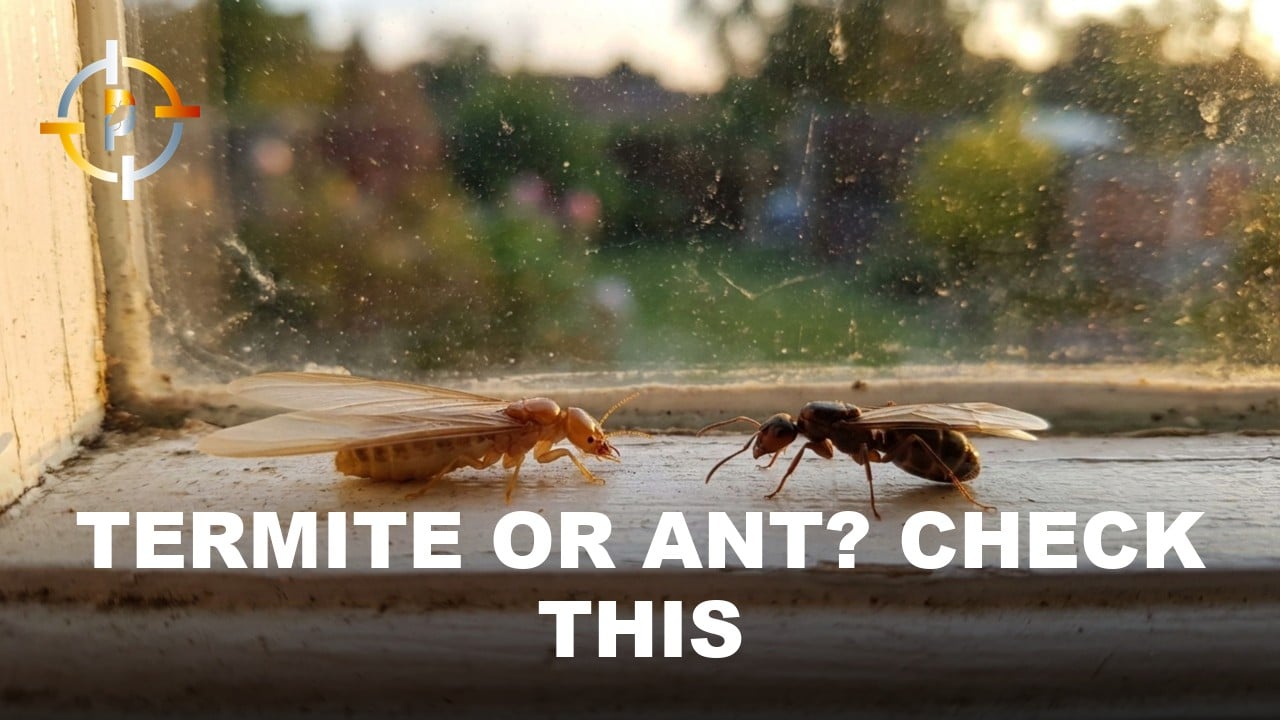
- Collect a few swarmers in a plastic bag for species identification, since subterranean and drywood termites need completely different treatments.
- Vacuum up the rest rather than sweeping them, using a shop vac with a sealed bag, not a bagless canister.
- Take the vacuum bag or canister contents straight outside, not to an indoor trash can.
- Call for a full inspection the same day, not a can of spray from under the sink.
PRO TIP
Don’t throw the vacuum bag or canister contents in your indoor trash. Seal it and take it straight outside. Surviving swarmers left in a warm trash can overnight are exactly what triggers a second swarm indoors.
The vacuum step matters more than it looks. A bagless canister or an indoor trash can with a few surviving swarmers left in it overnight can trigger a second swarm event inside the house before anyone realizes what happened. A sealed bag taken outside immediately closes that loop for good.
Why This Isn’t a Spray-and-Done Situation
This isn’t a situation a can of spray or a DIY trap addresses in any meaningful way. What’s needed is a full inspection to find the colony itself and a treatment plan built around what’s actually found, not just cleanup of what’s visible in the moment on the living room floor.
Wood damaged by termites often still looks completely normal from the outside. Paint and drywall can hide months or years of internal damage, which is exactly why a swarm indoors is frequently the first visible sign anyone gets, even though the damage itself has been accumulating out of sight the entire time before that. Tapping suspect wood with the handle of a screwdriver and listening for a hollow sound is a rough field check, not a substitute for a real inspection, but it can help identify which areas of a home deserve the closest look first.
Older homes in Pasco County communities like Trinity and Holiday are just as susceptible as anywhere else in the bay area, and the years-long timeline here is exactly why a swarm often shows up in a house that’s never had a single termite service before in its history.
Years of activity don’t announce themselves until a swarm makes it impossible to ignore. Our termite inspection and treatment program finds the colony, not just the swarmers you can see, and our termite solutions overview covers what a real inspection involves.