Enjoyed this quick breakdown? Subscribe to our YouTube channel for weekly Tampa Bay pest alerts and homeowner tips.
Both flying termites and flying ants swarm in Florida during warm, humid stretches of the year, and from a few feet away the two look close enough to confuse. Up close, three details separate them every time, and none of them require a magnifying glass.
The Three Things to Actually Check
- Waist: termite swarmers have a thick, straight waist with no visible pinch. Flying ants have an obvious narrow waist between the thorax and abdomen.
- Wings: termite swarmers have four wings of equal length, all extending well past the body. Flying ants have two pairs of unequal length, with the front set noticeably longer than the back.
- Antennae: termite antennae are straight. Flying ant antennae are bent at a distinct elbow joint.
The waist is usually the fastest tell in the field, since it’s visible even at a glance without needing to catch one and look closely. Size is a weaker clue than most people assume, since termite swarmers and larger flying ant species can be close enough in length to make that comparison unreliable on its own.
PRO TIP
If you’re collecting swarmers for identification, skip the tissue or paper towel. The wings detach easily and usually strip off in transit, taking away the exact detail that confirms species. A dry jar or a sealed plastic bag holds up much better.
Why Getting This Wrong Actually Matters
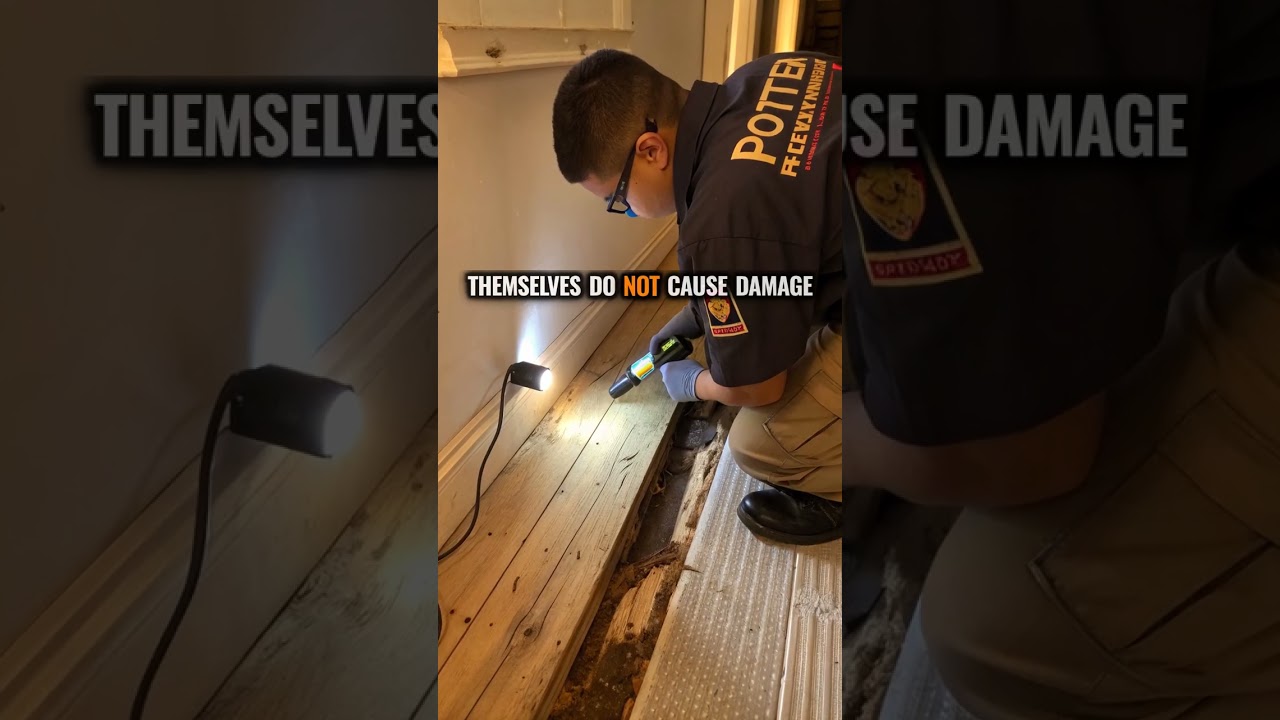
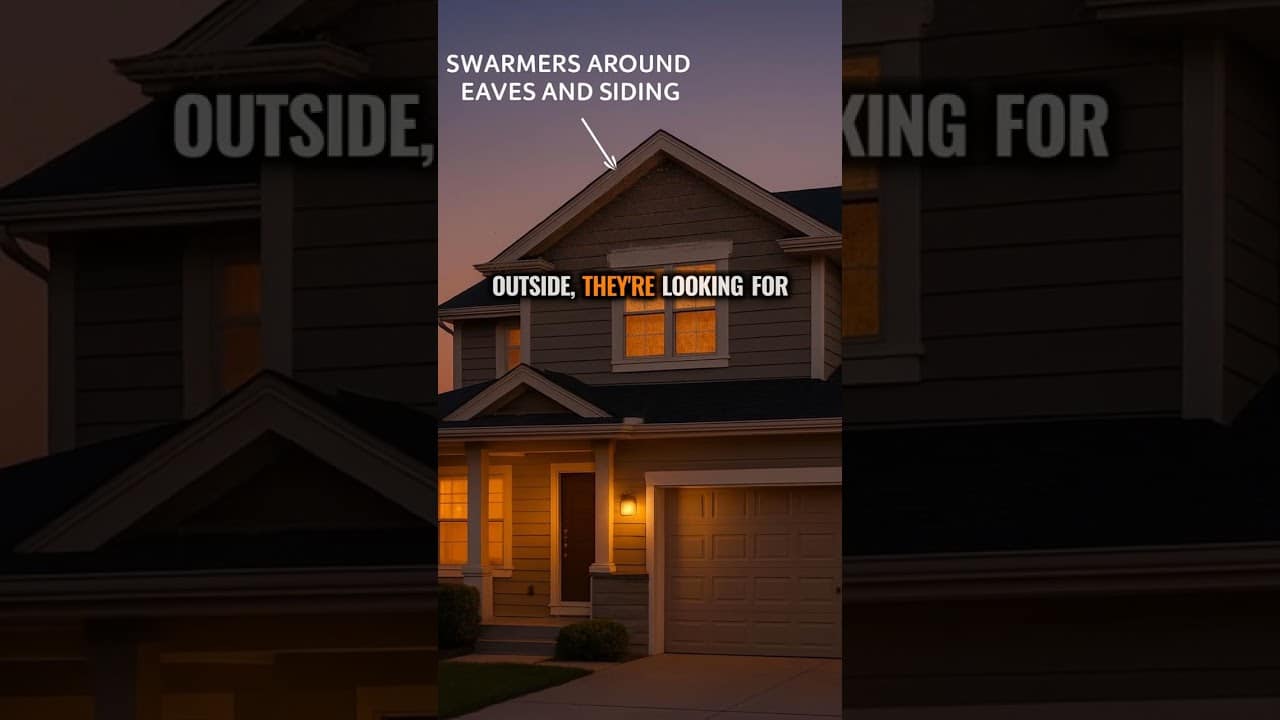
A termite swarm means a colony nearby has matured enough to reproduce. If the swarmers are coming from inside the house, that colony is already in or touching the structure. If they’re outside near a stump or woodpile, they may be scouting for a new place to settle, and a nearby house is a candidate the same as anywhere else close by. Flying ants swarming near the house are almost always just a seasonal nuisance with no structural consequence at all.
Treating them the same way is the actual risk, and it runs in both directions. Assuming a termite swarm is harmless because it looks similar to the ant swarms you’ve seen before is exactly how a colony gets months of extra time to keep feeding, unnoticed, while nobody investigates further. The reverse mistake costs money instead of structure: treating a flying ant swarm as an emergency leads to spending on inspection and treatment a nuisance insect never actually required.
Around Pinellas and Hillsborough County, subterranean termites are by far the more common species behind an outdoor swarm, especially after a warm spring rain, while drywood termites tend to swarm at night and show up indoors with no connection to soil at all. Sandy Florida soil also drains fast enough that subterranean colonies here often build mud shelter tubes along foundation walls to stay protected from drying out while traveling between the soil and the wood they’re feeding on, a visible sign worth checking for near any swarm site.
Guessing wrong on a termite swarm is how a small problem turns into structural damage. Our termite inspection and treatment program identifies the species and treats accordingly, and our termite solutions overview covers what a real inspection looks like.