Enjoyed this quick breakdown? Subscribe to our YouTube channel for weekly Tampa Bay pest alerts and homeowner tips.
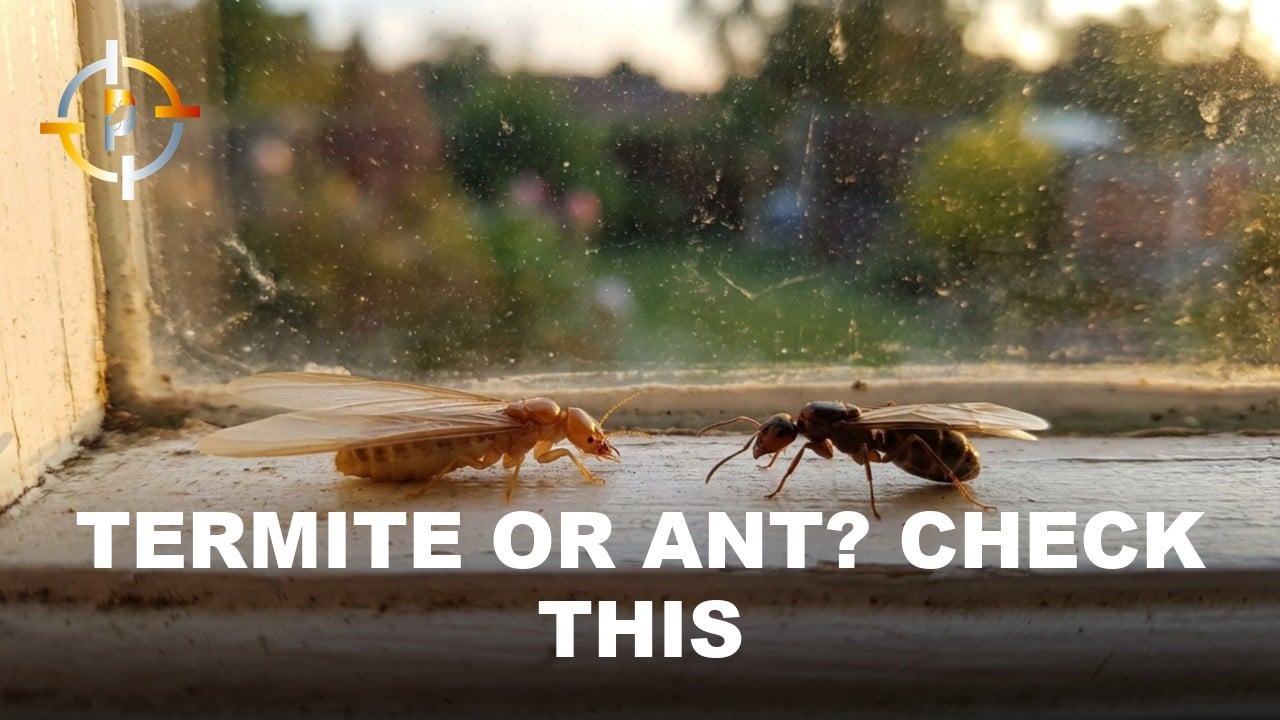
A termite swarm means a colony has matured enough to reproduce, and where it happens changes what that means for your house. Swarmers coming from inside the home point to a mature colony already in or near the structure. Swarmers outside, especially near a stump or woodpile, could be scouting for a new place to settle, and your house is a candidate the same as anywhere else nearby.
Two Species, Two Very Different Timelines
Florida has two termite species behind almost every swarm, and they don’t behave the same way. Subterranean termites, the far more common of the two, swarm during the day after a warm spring rain, usually February through April. Drywood termites swarm at night, typically summer into fall, and don’t need any contact with soil at all, which is exactly why they turn up in dry attic wood or furniture with no connection to the ground whatsoever.
PRO TIP
If you’re collecting swarmers for identification, skip the paper towel or tissue. The wings are the key identifying feature and detach so easily that wrapping them in paper usually strips them off before anyone gets a look. A dry plastic bag or a jar works much better.
That distinction isn’t trivia. Subterranean termites respond to soil-based bait or a liquid barrier treatment, since the colony lives in the ground and travels up into wood from below. Drywood colonies live entirely inside the wood itself, which usually means localized or whole-structure fumigation instead, since there’s no soil barrier available to treat in the first place.
What the Timing Actually Tells You
Knowing which season you’re in narrows things down before an inspector even arrives. A daytime swarm in March is almost certainly subterranean. Winged insects showing up at a porch light in August lean drywood. That distinction helps set expectations for what kind of treatment conversation is coming, even before species confirmation happens on-site.
A swarm is also only the visible tail end of a much longer maturation process. A subterranean colony typically needs several years of undisturbed feeding before it produces its first swarmers at all, which means seeing one in your yard this spring is evidence of a colony that’s been active nearby for a while already, not a brand new arrival.
Around Pinellas and Hillsborough County, that liquid barrier work also has to account for sandy soil, which drains fast and can thin out a treated zone sooner than the denser clay common up north. It’s one more reason product choice and application depth matter more here than in other parts of the country, and it’s worth asking directly whether a company’s standard application depth already accounts for it.
Swarming season doesn’t wait, and neither should a call once you’ve seen one. Our termite inspection and treatment program identifies which species you’re dealing with and treats accordingly, and our termite solutions overview covers what to expect.