Enjoyed this quick breakdown? Subscribe to our YouTube channel for weekly Tampa Bay pest alerts and homeowner tips.
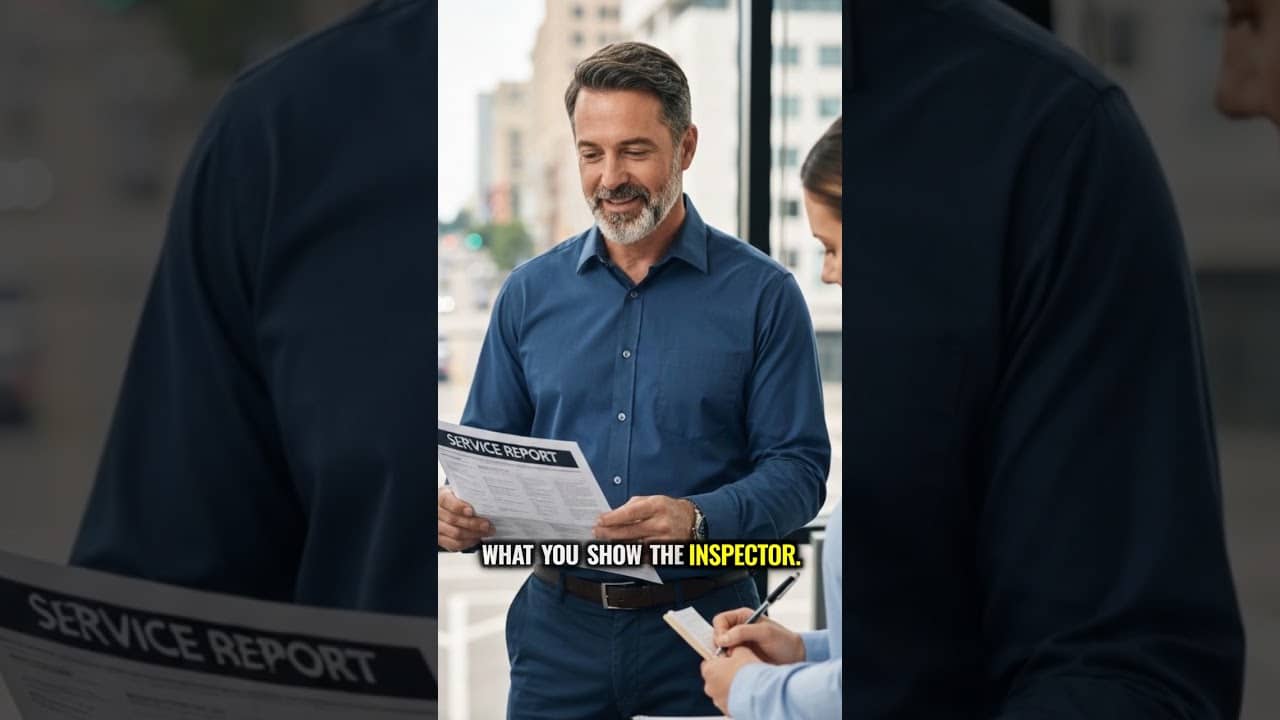
A Florida health inspector doesn’t just look for live pest activity during a routine visit. They look for proof that pest control is being managed on an ongoing basis, and a restaurant with a spotless kitchen but no paperwork to show for it can still get flagged, since the absence of documentation reads as the absence of a real program, not just an administrative oversight.
What the Binder Actually Needs to Contain
- A current, signed service contract with a licensed pest control company
- A log of every service visit, including what was treated and which products were used
- Copies of the pest control company’s state license and insurance certificate
- Any prior inspection reports or corrective action plans already addressed
- A site map showing the location of every bait station and trap
PRO TIP
Keep the binder physically near the manager’s station, not in a back office or with the owner off-site. An inspector who has to wait for someone to retrieve documentation from another location sometimes treats that delay itself as a point against the restaurant, even when the paperwork turns out to be complete.
Why the Site Map Specifically Trips Up Restaurants
The site map is the item most restaurants skip, and it’s also the one inspectors ask for most consistently, because it’s the fastest way for them to verify that stations are actually placed where a commercial contract says they are rather than taking a manager’s word for it. A pest control company should provide this map directly since it’s generated from their own service records, not something a restaurant has to build from scratch.
A service log without specifics, just “treated kitchen” with no date or product listed, carries less weight than one documenting exactly what was applied and where, since Florida’s health code treats pest control documentation as evidence of an active, verifiable program, not just a box to check. An inspector flipping through months of vague, identical entries is more likely to ask follow-up questions than one looking at a log with real detail in each line.
Documentation protects a restaurant beyond the inspection itself, too. If a customer ever claims a pest-related injury or files a complaint with the health department after the fact, the same binder becomes the restaurant’s actual evidence that it was operating a real, ongoing program rather than reacting after the fact. Insurers and attorneys both treat a dated, detailed service history very differently from a restaurant that can only say it “uses a pest control company” without being able to prove when or what was done.
Dunedin’s concentrated downtown restaurant corridor makes this especially relevant, since a cluster of independently owned restaurants sharing the same block means health department attention in one location often brings a wave of inspections to the surrounding businesses within the same week.
Complete documentation turns a surprise inspection from a stressful event into a formality. Our post on what inspectors actually check during a surprise visit covers the rest of the checklist, and our restaurant pest program provides this documentation automatically with every visit.