Enjoyed this quick breakdown? Subscribe to our YouTube channel for weekly Tampa Bay pest alerts and homeowner tips.
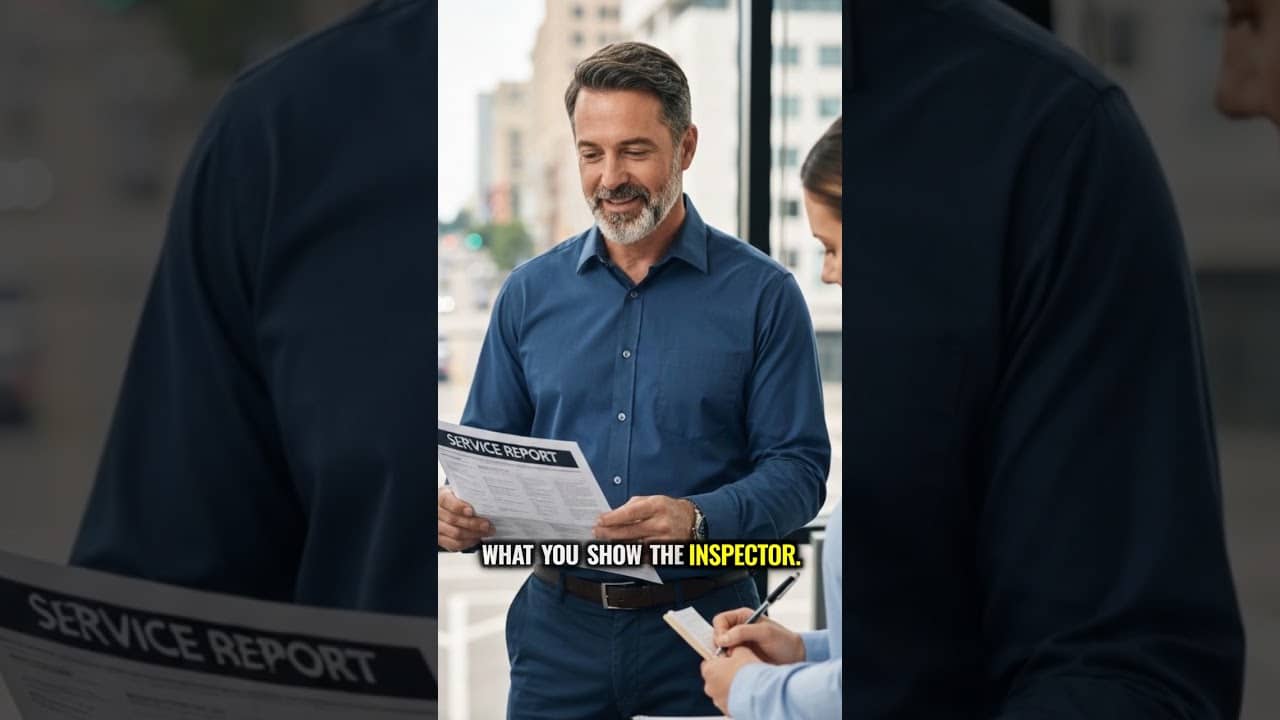
A pest control documentation binder at the manager’s station, current contract, service logs, and licenses included, is the single fastest way to show an inspector a restaurant is being proactive rather than reactive. Beyond the paperwork, a few physical details matter just as much once the inspection actually starts.
The Checklist That Actually Gets Checked
- Floor drains clean and covered, not just rinsed.
- No gaps around pipes or utility penetrations anywhere in the kitchen.
- Dumpster area clean, lids closed, no debris sitting nearby.
- Interior bait stations documented on a real site map, matching what a commercial contract requires.
- No visible evidence of activity anywhere in the building: no droppings, no gnaw marks, no grease trails.
PRO TIP
Florida’s DBPR inspection reports are public record and searchable online by restaurant name. Search your own restaurant’s history periodically the same way a potential customer researching where to eat might, so you already know what’s visible before someone else finds it first.
Pest evidence specifically tends to score as a critical or high-priority violation on Florida health inspections, not a minor note, which is why it’s treated differently from something like a missing label or a temperature log gap. A critical violation is what triggers a follow-up inspection or, in a bad case, a temporary closure, so it carries weight far beyond what a single item on a checklist suggests on paper.
Why Consistency Beats Cleaning Up Beforehand
The restaurants that consistently pass surprise inspections aren’t the ones that clean up right before an inspector arrives. They’re the ones that maintain the same standard every single day, inspector or not, because an inspector working through a routine visit isn’t guessing where to look. They’re following the same general checklist every time: dry storage, prep areas, dish pits, and anywhere food debris can accumulate unnoticed behind equipment that rarely gets moved.
Knowing that means prep time is better spent concentrated on the exact spots an inspector always checks first, not spread evenly across the whole kitchen the morning of a visit that may or may not even happen that day.
Restaurant corridors in Pinellas Park see a lot of this firsthand, since a dense concentration of individually owned restaurants means one health department visit can turn into several in the same week if inspectors are already working the area. Keeping documentation current isn’t just about the day of the visit, either. Most inspection reports get retained on file for a period of time, so a restaurant with a clean, well-documented history has a genuine paper trail to point to if a dispute over a violation ever comes up.
A consistent treatment schedule is what makes every other item on this list possible. Our restaurant pest program is built to keep that documentation ready before an inspector ever asks for it.