Enjoyed this quick breakdown? Subscribe to our YouTube channel for weekly Tampa Bay pest alerts and homeowner tips.
Commercial pest control operates under real regulatory pressure that residential service never touches. A restaurant answers to FDA and state health code requirements. An apartment complex needs unit-by-unit coordination across dozens of separate leases. A hotel needs treatment discreet enough that guests never notice it happened at all. The products, timing, and reporting requirements shift for every one of these, not just the price on the invoice.
Where the Difference Actually Shows Up
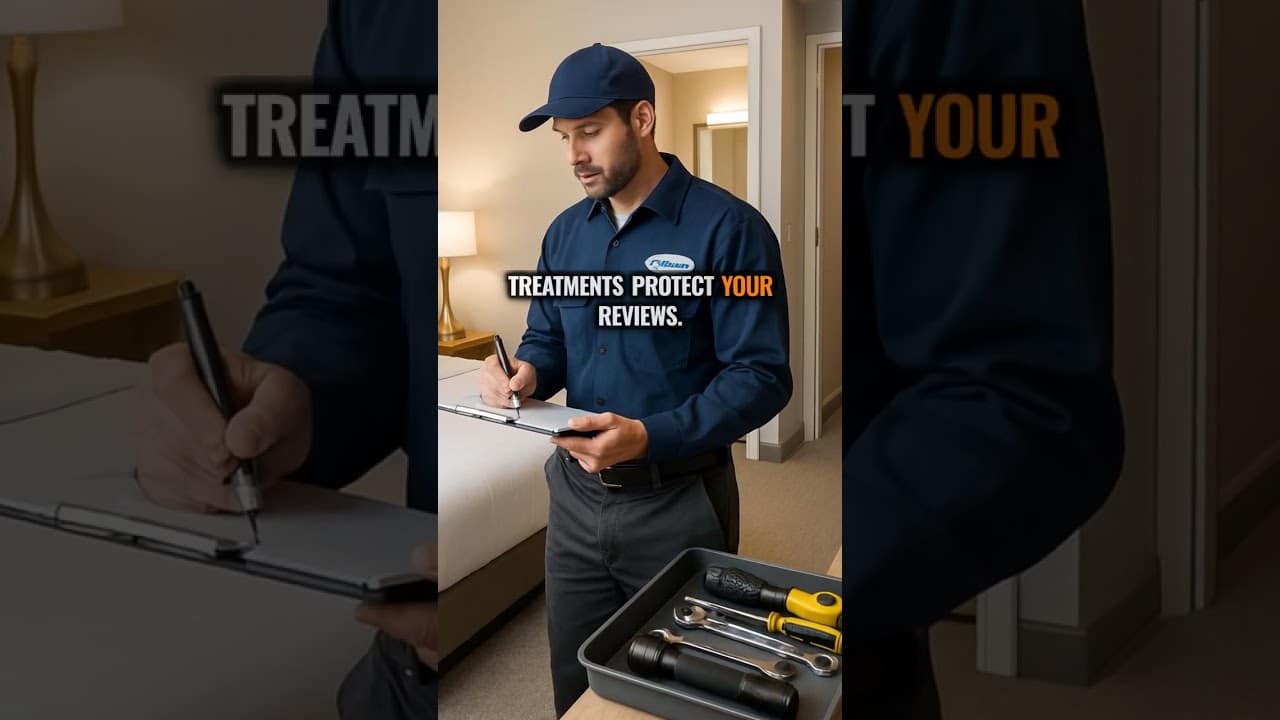
Documentation is where it shows up most clearly, and it isn’t paperwork for its own sake. It protects a business in a lawsuit, satisfies insurance requirements that many commercial leases already mandate, and gives an inspector something concrete to review instead of taking an owner’s word for it on the spot.
PRO TIP
Ask any commercial pest company for a sample numbered site map before signing anything, not just a description of what they do. If they can’t show you one, that’s worth knowing before you’re locked into a contract.
Commercial contracts typically require a numbered site map showing exactly where every bait station sits on the property, something a residential customer never sees and rarely needs. A company running a real commercial-grade program tracks every station by number and location on that map. One running a residential-style service under a commercial label usually can’t produce that at all when asked.
Chemical restrictions tighten considerably around food-handling areas too. Products approved for general residential use around a home’s perimeter often aren’t cleared for use near food prep surfaces or storage, which means a technician working a commercial kitchen needs a different product list entirely, not just a longer service checklist. Getting that product selection wrong isn’t a minor compliance issue. It’s the kind of mistake that shows up on a health inspection report with the restaurant’s name attached to it, not the pest control company’s.
Timing Is Its Own Difference
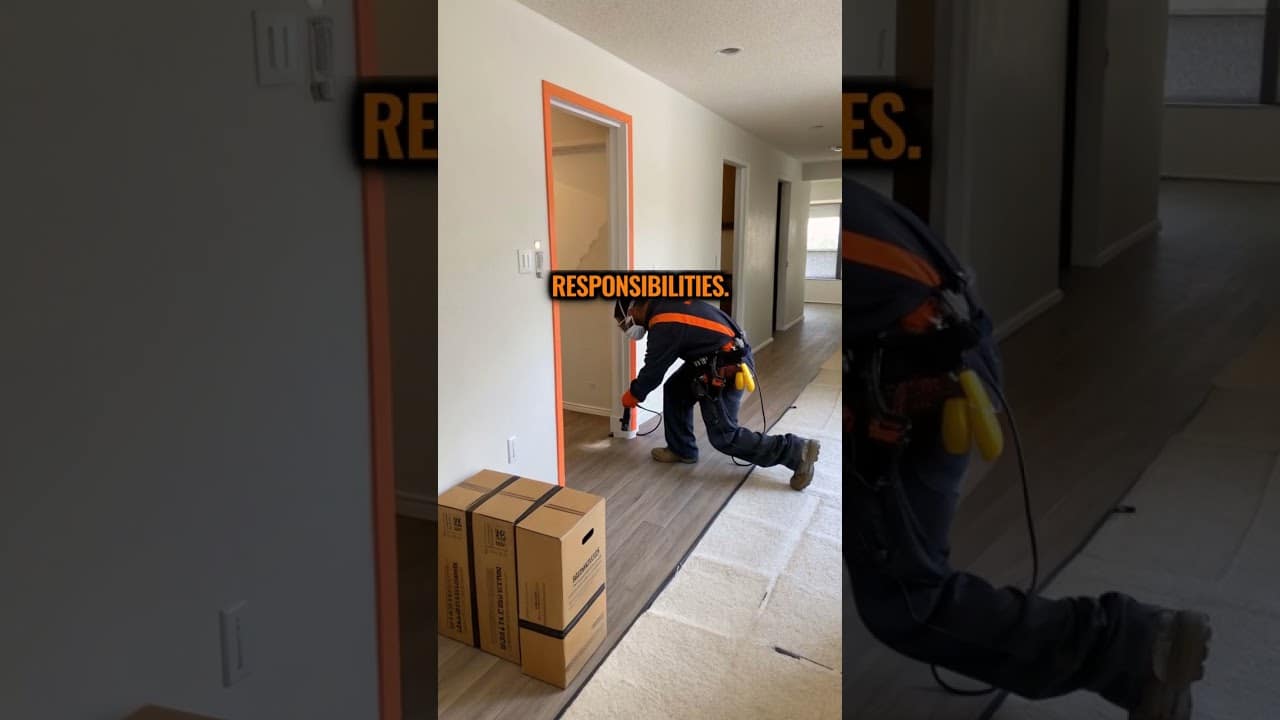
Residential service can usually happen whenever works for the homeowner’s schedule. Commercial treatment in an occupied restaurant or hotel often has to happen overnight or before opening, discreetly enough that guests or customers never know it occurred, which changes staffing and access planning on the provider’s side, not just the treatment itself.
Fast-growing mixed corridors like Odessa and Carrollwood make this distinction especially visible, since the same company might treat a residential subdivision on one street and a new retail strip two blocks over, each needing a completely different program despite being neighbors. A technician showing up to the wrong program for the property, residential habits applied to a commercial kitchen or the reverse, is usually the fastest way to spot a company that isn’t actually built for both.
That’s exactly why you want a company that specializes in commercial work, not a residential company doing commercial on the side. See our full commercial pest programs for what real documentation and compliance actually look like.