Enjoyed this quick breakdown? Subscribe to our YouTube channel for weekly Tampa Bay pest alerts and homeowner tips.
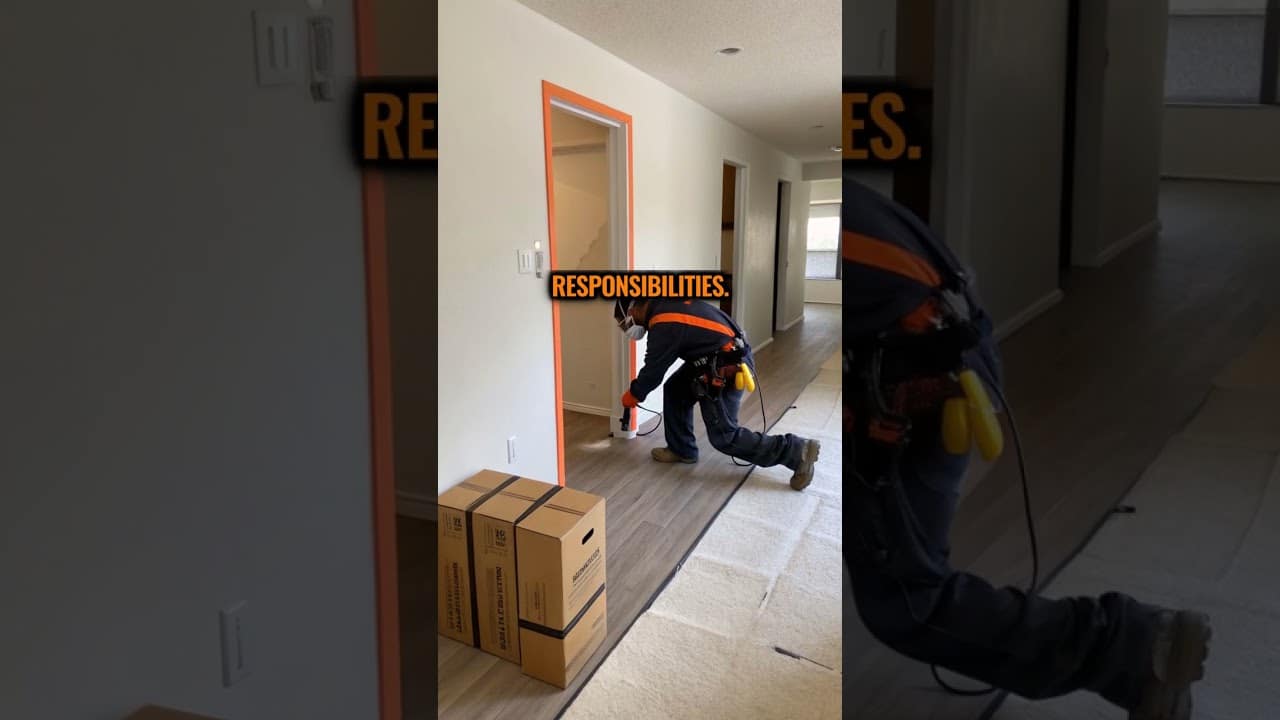
Office buildings don’t usually get roaches from food left in the break room. They get them from corrugated cardboard, and every office has stacks of it moving through the mailroom, the supply closet, and shipping and receiving on a near-daily basis.
Why Cardboard Is the Real Entry Point
Roach egg cases, called oothecae, can survive for weeks inside the fluted layer of corrugated cardboard, protected from the same conditions that would expose them on a flat surface. A single shipment can carry an infestation in without anyone noticing anything unusual, since the box itself looks completely normal from the outside. By the time an employee spots a roach in a conference room, the actual entry point is long gone, already broken down and thrown in the recycling.
Cardboard also offers something a slick plastic tote never does: a rough, absorbent surface roaches can grip and hide inside the corrugation itself. A stack of flattened boxes waiting for pickup functions almost like a maze of narrow harborage spaces, exactly the kind of tight, dark gap roaches are drawn to over open floor space.
PRO TIP
Ask your building’s mailroom or receiving staff how long boxes typically sit before being broken down. If the answer is measured in days rather than hours, that’s a real risk window worth closing before it turns into a pest problem, not a hypothetical one.
Once a colony establishes inside a wall void or beneath a raised floor system, it doesn’t stay contained to one suite. Roaches move through shared walls, elevator shafts, and HVAC returns to reach neighboring tenants, which is why one office’s pest problem becomes the whole building’s problem faster than most property managers expect.
Why Reacting to Sightings Is Always Behind
Property managers who only call after someone spots a roach in a common area are managing the problem a full generation late. Roaches reach reproductive maturity in roughly two months under normal indoor conditions, so a population visible today has likely been established for a while already.
The fix starts with a real cardboard and storage policy, not just pest control. Flattening and removing boxes daily instead of letting them stack in a mailroom for a week closes the entry point itself, and it costs nothing beyond a change in habit. Pairing that with routine professional treatment focused on shared infrastructure, not just individual suites, is what actually keeps one tenant’s shipment from becoming a building-wide problem.
This shows up often in growing commercial corridors like Brandon and Valrico, where new office parks lease up quickly and shared-wall construction between suites is common, giving roaches an easy path between tenants that a single-suite treatment plan never accounts for.
Don’t wait for a tenant complaint to find out cardboard has been the real problem all along. Our office building pest program treats shared infrastructure, not just individual suites, and our commercial pest solutions cover the rest.