Enjoyed this quick breakdown? Subscribe to our YouTube channel for weekly Tampa Bay pest alerts and homeowner tips.
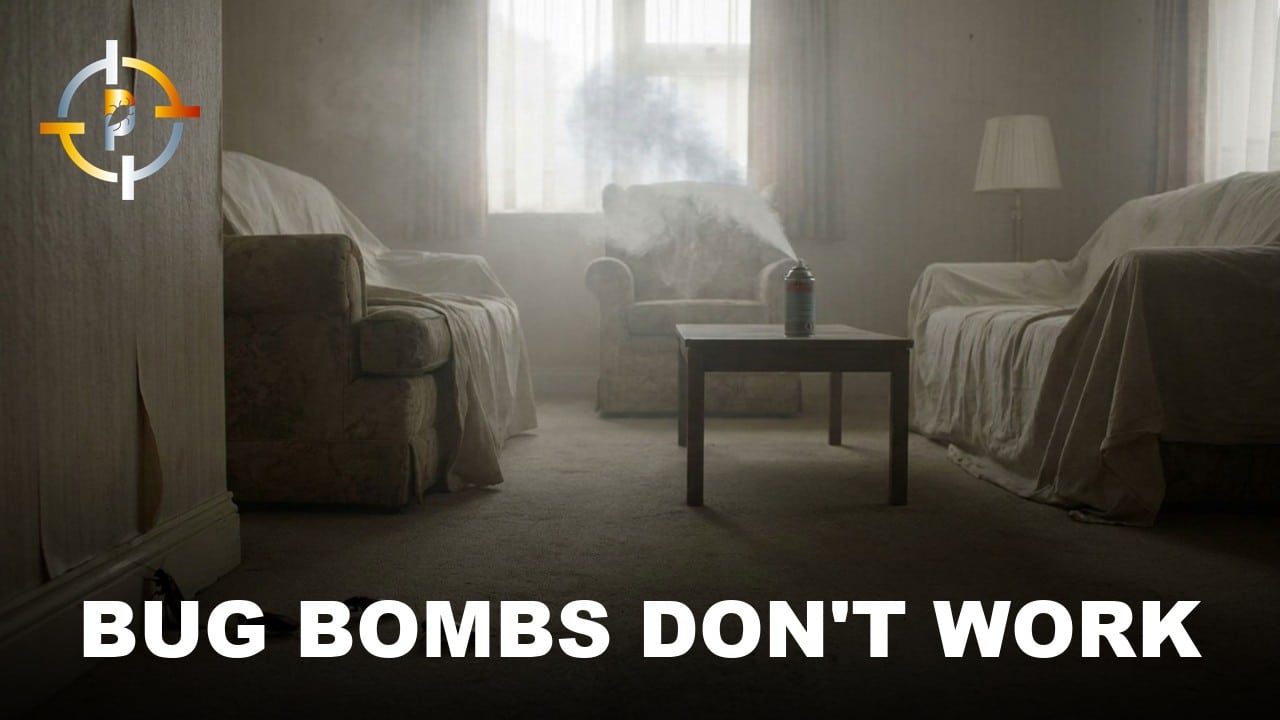
Every over-the-counter pest product assumes the same thing: that the insect or rodent causing the problem spends enough time out in the open for a spray, bait, or trap to actually reach it. A few ants on a kitchen counter or a spider in the garage meet that assumption easily. The moment a pest’s real population is living somewhere a can of spray physically cannot reach, that assumption breaks, and that’s the actual dividing line between a job for a homeowner and a job for a licensed technician.
Why Fast-Breeding Pests Outrun a Spray Can
German cockroaches and fleas are the two pests homeowners most often lose this race against. A single female German cockroach can produce dozens of offspring from one egg case roughly every three weeks, and most of that population stays hidden inside wall voids and under appliances rather than crossing open counters where a spray would reach it. Spraying the handful of roaches visible at night barely touches the capsule-protected eggs generating the next wave, so a kitchen that looks clear after a weekend of treatment is often just as infested a month later.
Why Structural Damage Needs a Different Kind of Treatment
Termites fail the DIY test for a different reason. A subterranean termite colony builds mud tubes from soil to wood specifically to stay hidden and moist, which means the actual colony is rarely visible from the surface at all. Professional termiticide application also requires a state pesticide applicator license in Florida, since the products involved are restricted-use and applied below grade around a home’s entire foundation, not spot-treated on a wall. Homeowners insurance almost never covers termite damage either, since it’s classified as a maintenance issue rather than a sudden loss, which raises the cost of guessing wrong.
Signs It’s Actually Time to Call a Professional
- The pest is inside a wall void, attic, or crawl space you can’t physically access
- It reproduces fast enough that one treatment can’t outpace the next generation (roaches, fleas, bed bugs)
- It’s causing or capable of causing structural damage (termites, carpenter ants, wood-boring beetles)
- It’s venomous or carries a real allergy risk you can’t assess from a distance
- The property is commercial and needs documented, licensed treatment for compliance
- You’ve already tried twice and the problem came back
PRO TIP
If a store-bought product has already been used before calling a professional, say exactly what it was and when. Several retail actives leave a repellent residue that pushes pests away from treated surfaces for weeks, and a technician who doesn’t know that residue is there may place a follow-up bait in a spot the pest has already learned to avoid.
Older homes built before modern sealing standards tightened, common throughout Palm Harbor’s established neighborhoods, tend to hit this line faster than newer construction. Original wood trim, older expansion joints, and decades of minor settling all create entry points a retail spray was never designed to seal, so a pest that would be a quick DIY fix in a newer home can already be inside the walls by the time it’s noticed in an older one.
Two failed attempts with a store shelf product almost always costs more in time and money than calling in the first place. Our residential pest control program starts by finding where a problem actually lives, not guessing at what a can of spray might reach.