Enjoyed this quick breakdown? Subscribe to our YouTube channel for weekly Tampa Bay pest alerts and homeowner tips.
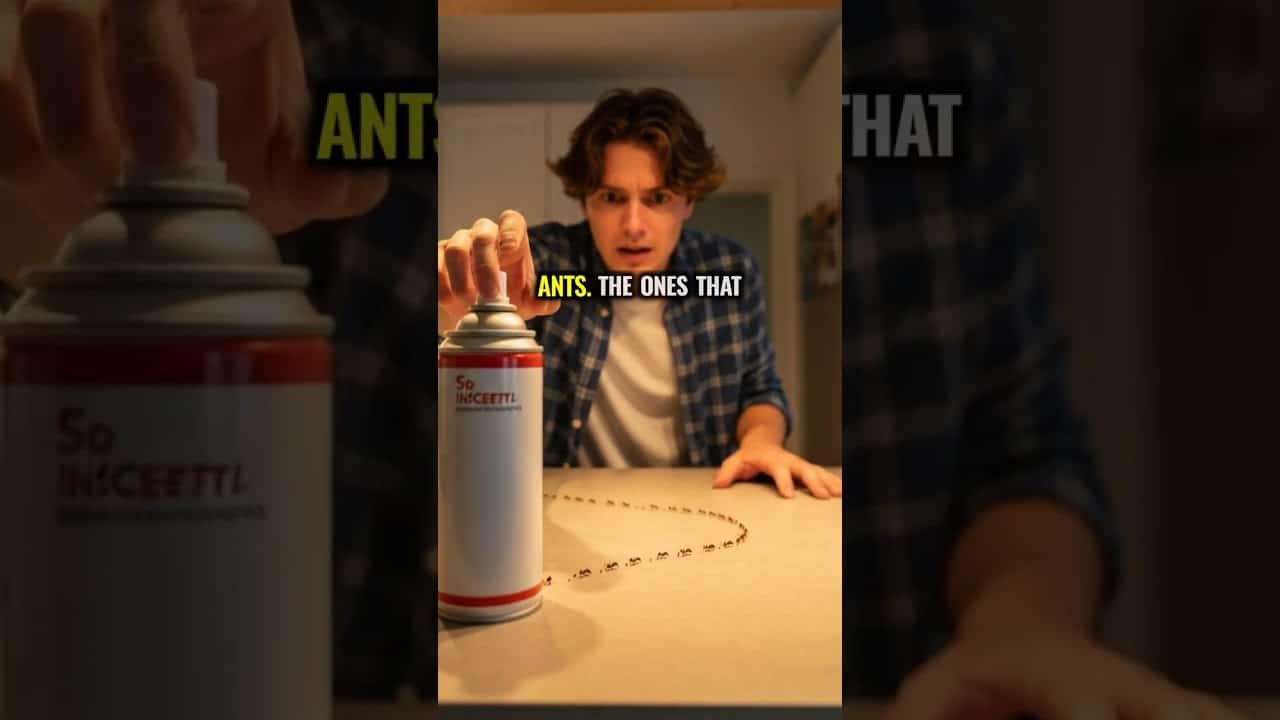
A total-release fogger works by flooding a room’s air with an aerosolized insecticide until everything the mist can physically settle on gets coated. That’s the entire mechanism, and it’s also the entire limitation. German cockroaches spend most of their time inside wall voids, under appliances, and in cracks the mist never reaches, which means the roaches actually exposed when the can goes off are a small slice of the real population living in the house.
What’s Actually Happening Inside the Walls
The survivors don’t just get lucky and hide. Many total-release foggers use pyrethroid actives with a repellent effect on contact, so roaches that brush a treated surface and live through it start avoiding that zone going forward. Instead of one colony concentrated somewhere accessible, a fogged house often ends up with the same colony pushed into two or three new hiding spots, each harder to locate than the one you started with.
PRO TIP
If you want to try a store-bought bait before calling anyone, check the label for a slow-acting active like a low percentage of fipronil or hydramethylnon. A product built to kill on contact defeats the entire mechanism a bait depends on.
That repellency creates a second problem for whoever treats the house next, professional or DIY. A bait only works if a roach walks across it, eats it, and carries the active ingredient home to the rest of the colony. A roach that already learned to avoid a room because of leftover fogger residue avoids bait placed in that same room too, sometimes for weeks after the chemical smell itself is long gone.
What Actually Reaches the Colony
Professional treatment starts from a different assumption: don’t blanket the room, find where the colony actually lives. Gel baits and targeted dust go directly into the harborage areas roaches rarely leave voluntarily, using actives they can’t detect and won’t avoid, so it travels back to the nest instead of only killing whatever happened to be caught out in the open.
A fogger’s repellent effect doesn’t wear off quickly either. Residue on a treated surface can keep roaches steering clear of that zone for two to four weeks depending on the product, which is exactly the window when a follow-up bait application is most likely to get placed in a spot the colony has already learned to avoid. That’s part of why a house treated with a fogger first often takes longer to clear than one that was never fogged at all.
This rebound cycle also moves faster here than in states with a real winter. In Pinellas and Hillsborough County, warm weather lets German cockroaches keep breeding through every month of the year instead of losing a generation to cold, so a colony that gets scattered by a bad fogging job has no seasonal slowdown to buy back any of the ground it lost.
If a fogger already made things worse instead of better, mention that specifically when you call. Leftover residue changes what a technician needs to use and how long they may need to wait before baiting actually works. Our residential pest control program is built around finding harborage areas directly, not guessing at what a can of spray might reach.